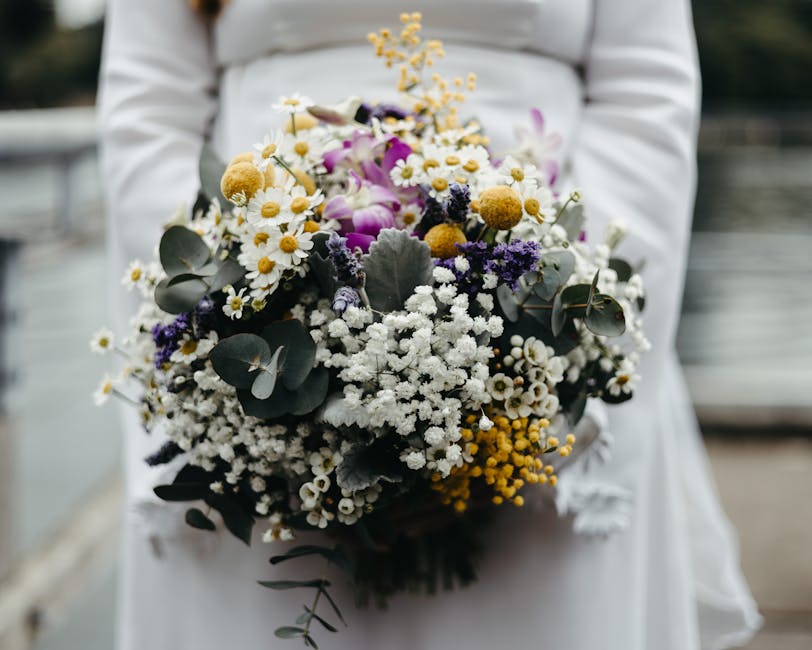
Isle of Dogs wedding flowers Docklands rescue case study
Posted on 15/10/2026
When a wedding flowers plan starts slipping in Docklands, there is usually one thing the couple wants most: calm, fast thinking, and a result that still looks beautifully intentional. That is exactly why an Isle of Dogs wedding flowers Docklands rescue case study matters. It is not just about pretty stems or a late replacement bouquet. It is about how a local florist responds when timings tighten, expectations are already set, and there is no room for a clumsy fix. Truth be told, that is where real experience shows.
In this guide, we look at what a rescue case study means in practical terms, how the process works, what to watch for, and how couples, planners, and venues can make better decisions under pressure. You will also find a step-by-step approach, a comparison table, a realistic example, and a checklist you can actually use. If you are planning wedding flowers around Isle of Dogs or Docklands, this should help you feel a bit more in control. And yes, wedding nerves and flower nerves often arrive together. Funny how that works.
Table of Contents
- Why Isle of Dogs wedding flowers Docklands rescue case study Matters
- How Isle of Dogs wedding flowers Docklands rescue case study Works
- Key Benefits and Practical Advantages
- Who This Is For and When It Makes Sense
- Step-by-Step Guidance
- Expert Tips for Better Results
- Common Mistakes to Avoid
- Tools, Resources and Recommendations
- Law, Compliance, Standards, or Best Practice
- Options, Methods, or Comparison Table
- Case Study or Real-World Example
- Practical Checklist
- Conclusion
- Frequently Asked Questions
Why Isle of Dogs wedding flowers Docklands rescue case study Matters
Wedding flowers do more than decorate a room. They set the tone as guests walk in, they anchor photos, and they can quietly make a venue feel polished even if the rest of the day is moving at a mile a minute. In Docklands, where venues can be modern, waterfront-facing, or tucked into busy residential pockets, timing and delivery planning can become just as important as colour choice.
An Isle of Dogs wedding flowers Docklands rescue case study matters because it shows what happens when things do not go to plan and someone has to rescue the floral brief without turning the day into a scramble. That could mean a delayed delivery, a weather issue, an item shortfall, a sudden change in guest numbers, or a bouquet that needs reworking after last-minute feedback. The best rescue work is rarely dramatic. It is often quiet, efficient, and a little bit invisible. Which, to be fair, is exactly what couples want.
For local readers, there is another reason this topic matters. Isle of Dogs and the wider Docklands area often involve tight access windows, loading restrictions, busy roads, apartment blocks, concierge handovers, and venue-specific setup rules. A florist who understands that local rhythm can make the difference between a stressful handover and a smooth one.
Expert summary: A strong wedding flower rescue is not about patching problems with whatever is left. It is about restoring the original look, protecting the timeline, and making the final result feel deliberate. Good rescue work should feel seamless to guests.
How Isle of Dogs wedding flowers Docklands rescue case study Works
The phrase "rescue case study" usually refers to a real-world style breakdown of how a florist handled a problem and still delivered a workable, attractive floral result. It is useful because wedding flowers are one of those areas where planning and improvisation meet. You can map out every bouquet in advance, but weddings have a habit of testing that plan. A car arrives late. A buttonhole order changes. A bouquet needs colour balance adjusted because the dress looks different in daylight. Life happens.
In practice, the rescue process tends to follow a few core stages:
- Assessment: The florist identifies what is missing, what can still be used, and what can be replaced quickly.
- Prioritisation: The most visible pieces, such as the bridal bouquet, ceremony focal flowers, or table arrangements near the top table, are handled first.
- Design adjustment: The floral palette is refined so the rescue looks intentional, not pieced together.
- Delivery and setup: The flowers are handed over or installed with timing that respects the venue schedule.
- Final checks: The florist reviews hydration, balance, and presentation before stepping away.
The key point is that a rescue is not just about speed. Speed without judgement can make things worse. A good florist will know when to keep the design minimal, when to swap stems, and when to hold back a little rather than overstuff an arrangement. Less can be more. That old line is a bit overused, but here it actually holds up.
For wedding work in Docklands, that often means using flowers that travel well, can be conditioned quickly, and hold up in venue lighting. If you need a starting point, browsing local wedding flowers in Docklands can help you understand the kinds of arrangements commonly used for bridal parties, ceremonies, and tables.
Key Benefits and Practical Advantages
There is a practical reason people search for rescue case studies: they want reassurance that a florist can handle pressure. And honestly, that reassurance matters more than fancy wording on a product page. Here are the main advantages.
- Less stress on the day: A capable rescue process reduces panic, which matters when everyone already has a full schedule.
- Better use of budget: Rather than starting over, the florist works with what can realistically be salvaged.
- Stronger visual consistency: Rescue work can preserve the original colour story and style.
- Local response advantage: For Isle of Dogs and Docklands, local knowledge can shorten response time and simplify delivery.
- More confidence for planners and couples: If you know there is a fallback plan, the whole wedding day feels more stable.
There is also a subtle benefit that gets missed: rescue work often reveals how well a florist understands logistics. Anyone can show lovely bouquet photos. Not everyone can handle a late venue handover, a change in guest count, or a revised installation window without making a song and dance about it. That matters more than people think.
For couples comparing local options, a florist with a clear service structure and reliable communication is often worth more than the cheapest quote. If you are already looking at different delivery possibilities, it may also help to review flower delivery in Docklands SE16 so you can think beyond the flowers themselves and into the delivery experience.
Who This Is For and When It Makes Sense
This kind of rescue-focused wedding flower planning is not only for emergencies. It is useful for anyone who wants flexibility and a bit of insurance built into the floral plan. In our experience, the people who value it most tend to fall into a few groups.
- Couples planning a Docklands wedding: Especially if the venue is time-sensitive or access is controlled.
- Planners and coordinators: Because they need suppliers who stay calm when timelines tighten.
- Venue managers: They often prefer florists who understand load-in rules and can adapt quickly.
- Last-minute wedding clients: If the date moved, the original florist fell through, or plans changed late in the process.
- Budget-conscious couples: A rescue approach can sometimes preserve the overall look without redoing everything.
It makes the most sense when your wedding has any of these traits:
- a compact setup window
- multiple floral touchpoints, such as bouquets, buttonholes, and table pieces
- venue restrictions around access or setup times
- weather exposure, especially for outdoor arrivals or waterside spaces
- a need for quick adjustments on the day
Let's face it, not every wedding needs a rescue mindset. But if there is even a small chance of change, it is far better to have a florist who is prepared than one who is simply hopeful. Hope is lovely. Not a strategy, though.
Step-by-Step Guidance
If you are working through a wedding flower rescue or planning for one in advance, a structured process helps. Here is a sensible way to handle it.
- Clarify the priority pieces. Start with the items that matter most visually: bridal bouquet, bridesmaid bouquets, buttonholes, ceremony focal pieces, table arrangements, and any floral arch or statement display.
- Confirm what is already available. Check which stems, containers, ribbons, or support materials are on hand. Sometimes the saved elements are enough to keep the original look intact.
- Identify what needs replacing. Be precise. "Need more flowers" is too vague. You want to know whether the issue is flower type, colour, quantity, size, or delivery timing.
- Set a realistic design direction. The rescue plan should suit the original brief, but it may need slight simplification. Good design is adaptable.
- Choose durable stems where possible. Wedding-day flowers often need good holding power, especially if they are waiting around before photographs or a ceremony.
- Check timing against venue access. Docklands venues can have strict delivery windows. Build in travel time and a little breathing room.
- Review presentation details. Ribbon, wrapping, water source, and transport matter. A bouquet can be beautiful and still arrive looking tired if the handover is rushed.
- Do a final visual check. Look at shape, colour balance, freshness, and how the flowers read in daylight. Wedding flowers can look different on a bench under shop lighting than they do beside a white dress at 2 p.m.
If you want to see how local products are grouped in a practical way, browsing the weddings collection can help you understand how bridal, bridesmaid, and table elements work together across one coherent floral scheme.
Expert Tips for Better Results
Here is where small choices make a big difference. The better the planning, the less dramatic the rescue needs to be.
1. Keep the palette slightly flexible. If you are set on a very specific bloom that is delicate or seasonal, build in an alternative that keeps the same tone. That way, a substitute does not wreck the whole visual story.
2. Ask how flowers are conditioned. Conditioning is the process of preparing stems so they last longer. It sounds dull, but it really matters. A well-conditioned bouquet holds up better through transport and photography.
3. Be honest about your venue conditions. Is there heat near windows? Are flowers sitting in a lobby for a while? Are stairs involved? Small logistical details can change flower choice.
4. Match the floral scale to the room. Docklands venues vary a lot. Some are crisp and minimal; others are expansive and dramatic. Tiny arrangements in a large room can disappear. Oversized pieces in a compact room can feel crowded. You know the feeling.
5. Use the rescue to improve, not just replace. A smart florist may swap a weak stem for one with better shape or texture. Sometimes the "fix" is actually an upgrade.
6. Keep communication tight. One message thread, clear timings, clear quantities. A rescue day is not the moment for scattered instructions across three apps and a voicemail left somewhere in the middle of Limehouse.
Practical tip: Ask your florist what can be prepared in advance and what should stay flexible until the final 24 hours. That one question can prevent a lot of pressure later.
Common Mistakes to Avoid
Wedding flowers can go sideways for surprisingly ordinary reasons. Here are the ones that show up most often.
- Leaving the floral brief too vague: If there is no colour direction or priority list, rescue decisions become harder.
- Focusing only on price: Cheap can be fine for some items, but it may not give you the reliability you need for a wedding.
- Underestimating delivery logistics: Parking, access codes, concierge checks, lift restrictions, and timed loading can all slow things down.
- Assuming every bloom behaves the same: Some flowers are naturally sturdier than others. A florist should explain the trade-offs, not pretend every flower is equally easy.
- Forgetting the "after" part: A bouquet may look great at delivery time but need hydration or shade before the ceremony.
- Changing the brief too late: Small changes are normal. A full redesign at the last minute is where things get messy.
A lot of avoidable trouble comes from one simple thing: people guessing rather than asking. If a stem choice seems fragile, say so. If the venue has a narrow handover window, say so. Most problems are easier to solve before the van is loaded. Funny, that.
Tools, Resources and Recommendations
You do not need a room full of complicated planning tools, but a few practical resources can make the whole process smoother.
- Wedding brief sheet: A simple summary of colours, flower types, quantities, and priorities.
- Venue access notes: Include parking, loading, lift use, and arrival instructions.
- Photography timeline: Helps the florist know when the flowers must be ready for close-ups.
- Backup colour notes: Useful if a stem is swapped at the last minute.
- Care instructions: If flowers arrive early, somebody needs to know how to keep them fresh.
For floral types and product inspiration, the Docklands florist site includes useful category pages such as bridal bouquets, bridesmaid bouquets, buttonholes, and table arrangements. Even if you are not buying directly from those pages, they help show how the main wedding flower elements are usually grouped.
If you are comparing service levels, it is also sensible to check practical pages such as delivery, flower care, and guarantees. These do not replace proper planning, obviously, but they do help set expectations. And expectations, let's be honest, are half the battle.
Law, Compliance, Standards, or Best Practice
Wedding floristry is not usually heavily regulated in the way some industries are, but good business practice still matters. A professional florist should be clear about payment terms, delivery arrangements, returns expectations, and any limits on guarantees. For weddings, those details are especially important because changes can happen close to the date.
From a customer perspective, it is sensible to check that the florist's policies are easy to find and understand. A transparent terms and conditions page, a clear returns and refund policy, and visible contact details all help build trust. If a wedding order is bespoke, as many are, it is even more important to confirm what can and cannot be changed once work has started.
Good best practice also includes:
- clear written order details
- delivery instructions confirmed in advance
- realistic communication about substitutions
- respect for venue rules and access procedures
- safe handling and presentation of flowers during transit
For businesses that care about wider responsibility, pages like sustainability and about us can also tell you something useful about how the florist works day to day. That does not solve a wedding crisis on its own, of course, but it does tell you whether the business thinks in a structured way.
Options, Methods, or Comparison Table
When people ask about wedding flower rescue work, they are often really asking, "What is the best way to handle this under pressure?" Here is a simple comparison of common approaches.
| Approach | Best for | Strengths | Trade-offs |
|---|---|---|---|
| Full bespoke rebuild | Major changes or missing core items | Highly tailored, can restore the original vision closely | Needs time, more coordination, can cost more |
| Selective rescue | Small shortages or one key item missing | Efficient, preserves most of the original design | May require careful prioritisation |
| Style-led substitution | Seasonal issues or stem availability changes | Keeps the overall look consistent | Exact flowers may differ from the plan |
| Minimalist fallback | Very tight timings or access restrictions | Fast, practical, reliable | Less decorative impact than a full arrangement |
In a Docklands context, selective rescue is often the sweet spot. It gives you enough flexibility to protect the design without creating chaos. But the right answer always depends on timing, venue access, and how much of the original brief is still workable. There is no magic formula. Just sound judgement and decent communication.
Case Study or Real-World Example
Here is a realistic example of how a rescue might unfold in the Isle of Dogs and Docklands area, without pretending every wedding follows the same script.
A couple has booked a small-to-medium wedding at a Docklands venue with a late afternoon ceremony. Their floral plan includes a bridal bouquet, two bridesmaid bouquets, four buttonholes, and compact table arrangements. On the day, one key delivery is delayed, and a few stems in the original palette are no longer ideal for the final build because the room is warmer than expected. Nothing catastrophic. But enough to make everyone pay attention.
The florist responds by prioritising the bridal bouquet and ceremony pieces first. The most delicate stems are set aside and replaced with sturdier blooms that keep the same colour family. Ribbon tones are adjusted to match the dress and suit details more closely. Table pieces are simplified slightly so the ceremony flowers can remain the main visual focus. A final handover happens within the venue window, with the bouquets kept hydrated and shaded during transfer.
The important thing here is not that the flowers were "saved" in some dramatic sense. It is that the final result still felt coherent. Guests would not know that a rescue happened. The couple sees flowers that suit the room, the photos look balanced, and the timeline stays intact. That is the real win.
If you want to explore product styles that could support a wedding rescue scenario, collections like White Wonders Wedding Collection, Pure Romance Wedding Collection, and The Perfect Match Wedding Collection are useful examples of how cohesive a wedding floral look can be when the palette is kept disciplined.
Practical Checklist
Use this checklist if you are planning wedding flowers in Docklands and want a rescue-ready setup. It is simple, but it works.
- Confirm the ceremony time and venue access window.
- Share the full floral brief in writing.
- List your top three priority items.
- Ask what substitutes are acceptable if a stem is unavailable.
- Confirm delivery instructions, parking, and handover contact names.
- Check whether flowers need to be held or refrigerated before setup.
- Make sure bouquets and buttonholes are labelled clearly.
- Keep a single contact person in charge on the day.
- Review care instructions for early arrivals.
- Build in a small time buffer for traffic or access delays.
- Confirm the final payment and policy terms in advance.
- Take a quick photo of the finished arrangements before guests arrive.
If you tick off only one thing, let it be the venue logistics. A beautiful floral design is great. A beautiful design that actually arrives on time is better.
Key takeaway: Wedding flower rescues are easiest when the florist, couple, and venue all know the plan well enough to adapt quickly. Good preparation does not remove pressure entirely, but it keeps pressure manageable.
Get a free quote today and see how much you can save.
Conclusion
An Isle of Dogs wedding flowers Docklands rescue case study is really a lesson in calm decision-making. It shows how local knowledge, flexible design thinking, and clear communication can turn a fragile situation into something polished and dependable. That matters whether you are a couple trying to protect your day, a planner coordinating several moving parts, or a venue team trying to keep everything on schedule.
If there is one thing to remember, it is this: wedding flowers are not just decorative objects. They are part of the timing, the mood, the photos, and the memory of the day. When they are handled well, people barely notice the complexity behind them. And maybe that is the nicest compliment a florist can get. Quietly helpful. Steady. There when needed.
For anyone planning a Docklands wedding, the smartest move is usually simple: choose flowers and a florist with enough flexibility to handle reality, not just the perfect version of it.
Frequently Asked Questions
What does an Isle of Dogs wedding flowers Docklands rescue case study actually mean?
It usually means a real-world example of how a florist handled a wedding flower problem in the Isle of Dogs or Docklands area and still delivered a workable, attractive result. It is about problem-solving, not just flower styling.
Why are wedding flowers in Docklands harder to coordinate than in some other areas?
Docklands venues can involve access windows, parking limitations, lift use, concierge handovers, and tight setup times. Those logistics can affect delivery, installation, and how long flowers sit before the ceremony.
Can a florist really rescue wedding flowers on the same day?
Yes, often they can, if the issue is manageable and the florist has the right materials, experience, and timing. The success depends on how much needs changing and how quickly the problem is identified.
What flowers are best for a last-minute wedding rescue?
Flowers that travel well and hold their shape tend to be the safest options. A florist may choose sturdier blooms or simplify the arrangement while keeping the overall colour palette and style intact.
How much should I tell my florist if I want a rescue-ready wedding flower plan?
Tell them everything relevant: venue access, timing, budget limits, preferred colours, acceptable substitutes, and the items that matter most to you. The more precise the brief, the easier it is to adapt quickly.
Are rescue flower plans more expensive?
Not always, but they can be if a lot has to be rebuilt or delivered urgently. Sometimes the rescue approach saves money by focusing on the most visible items and simplifying less important pieces.
What is the biggest mistake couples make with wedding flowers?
One big mistake is treating the flowers as an afterthought until very late in the planning process. Another is not planning for access, timing, and acceptable substitutes. The details matter more than people expect.
How do I know if a florist is good at rescue work?
Look for clear communication, practical policies, and an ability to talk through alternatives without sounding flustered. A confident florist will usually explain what can be adapted and what needs to stay fixed.
Should I choose local Docklands delivery for wedding flowers?
In many cases, yes. A local florist is often better placed to understand timing, traffic, and venue access in the area. That can make a real difference on a wedding day.
Do I need a formal contract for wedding flower orders?
It is wise to have clear written terms, especially for bespoke wedding work. That helps everyone understand payment, substitutions, delivery, and what happens if plans change.
Can I use standard flower delivery pages for wedding flowers?
Sometimes they are useful for general inspiration, but wedding flowers usually need more careful planning than ordinary delivery orders. Bridal bouquets, buttonholes, and ceremony pieces often need a separate, more detailed brief.
What should I do if my wedding flowers are delayed on the day?
Contact the florist immediately, keep the venue informed, and focus on the most important floral pieces first. A calm, ordered response helps much more than trying to fix everything at once.
How far in advance should I book wedding flowers in Docklands?
The earlier the better, especially if your date is popular or your floral brief is detailed. Booking ahead also gives you more time to agree substitutes and solve delivery logistics before the pressure builds.
Can a rescue plan still look elegant and not rushed?
Absolutely. In fact, some of the best rescue work looks especially elegant because it is more focused and disciplined. A smaller, well-balanced design can often look better than an overcomplicated one.